Lord Shiva Chalisa: जय गिरिजा पति दीन दयाला। सदा करत संतन प्रतिपाला॥ शिव चालीसा (Shiva Chalisa Hindi) का पाठ करना अत्यंत शुभ और लाभकारी माना गया है। भक्तों का विश्वास है कि भगवान शिव चालीसा (Lord Shiva Chalisa) का नियमित पाठ शांति प्रदान करता है, बाधाएँ दूर करता है और आशीर्वाद दिलाता है। महाशिवरात्रि, सोमवार या सावन के दिनों में शिव चालीसा का पाठ विशेष महत्व रखता है। यहाँ आपको दैनिक प्रार्थना और पूजा हेतु सम्पूर्ण शिव चालीसा हिन्दी में उपलब्ध है।
Lord Shiva Chalisa (Shiva Chalisa Hindi)
॥ दोहा ॥
जय गणेश गिरिजा सुवन, मंगल मूल सुजान ।
कहत अयोध्यादास तुम, देहु अभय वरदान
॥ चौपाई ॥
जय गिरिजा पति दीन दयाला।
सदा करत सन्तन प्रतिपाला ॥
भाल चन्द्रमा सोहत नीके ।
कानन कुण्डल नागफनी के ॥
अंग गौर शिर गंग बहाये ।
मुण्डमाल तन क्षार लगाए ॥
वस्त्र खाल बाघम्बर सोहे ।
छवि को देखि नाग मन मोहे ॥
मैना मातु की हवे दुलारी ।
बाम अंग सोहत छवि न्यारी ॥
कर त्रिशूल सोहत छवि भारी ।
करत सदा शत्रुन क्षयकारी ॥
नन्दि गणेश सोहै तहँ कैसे ।
सागर मध्य कमल हैं जैसे ॥
कार्तिक श्याम और गणराऊ ।
या छवि को कहि जात न काऊ ॥
देवन जबहीं जाय पुकारा ।
तब ही दुख प्रभु आप निवारा ॥
किया उपद्रव तारक भारी ।
देवन सब मिलि तुमहिं जुहारी ॥
तुरत षडानन आप पठायउ ।
लवनिमेष महँ मारि गिरायउ ॥
आप जलंधर असुर संहारा ।
सुयश तुम्हार विदित संसारा ॥
त्रिपुरासुर सन युद्ध मचाई ।
सबहिं कृपा कर लीन बचाई ॥
किया तपहिं भागीरथ भारी ।
पुरब प्रतिज्ञा तासु पुरारी ॥
दानिन महँ तुम सम कोउ नाहीं ।
सेवक स्तुति करत सदाहीं ॥
वेद नाम महिमा तव गाई।
अकथ अनादि भेद नहिं पाई ॥
प्रकटी उदधि मंथन में ज्वाला ।
जरत सुरासुर भए विहाला ॥
कीन्ही दया तहं करी सहाई ।
नीलकण्ठ तब नाम कहाई ॥
पूजन रामचन्द्र जब कीन्हा ।
जीत के लंक विभीषण दीन्हा ॥
सहस कमल में हो रहे धारी ।
कीन्ह परीक्षा तबहिं पुरारी ॥
एक कमल प्रभु राखेउ जोई ।
कमल नयन पूजन चहं सोई ॥
कठिन भक्ति देखी प्रभु शंकर ।
भए प्रसन्न दिए इच्छित वर ॥
जय जय जय अनन्त अविनाशी ।
करत कृपा सब के घटवासी ॥
दुष्ट सकल नित मोहि सतावै ।
भ्रमत रहौं मोहि चैन न आवै ॥
त्राहि त्राहि मैं नाथ पुकारो ।
येहि अवसर मोहि आन उबारो ॥
लै त्रिशूल शत्रुन को मारो ।
संकट से मोहि आन उबारो ॥
मात-पिता भ्राता सब होई ।
संकट में पूछत नहिं कोई ॥
स्वामी एक है आस तुम्हारी ।
आय हरहु मम संकट भारी ॥
धन निर्धन को देत सदा हीं ।
जो कोई जांचे सो फल पाहीं ॥
अस्तुति केहि विधि करैं तुम्हारी ।
क्षमहु नाथ अब चूक हमारी ॥
शंकर हो संकट के नाशन ।
मंगल कारण विघ्न विनाशन ॥
योगी यति मुनि ध्यान लगावैं ।
शारद नारद शीश नवावैं ॥
नमो नमो जय नमः शिवाय ।
सुर ब्रह्मादिक पार न पाय ॥
जो यह पाठ करे मन लाई ।
ता पर होत है शम्भु सहाई ॥
ॠनियां जो कोई हो अधिकारी ।
पाठ करे सो पावन हारी ॥
पुत्र होन कर इच्छा कोई ।
निश्चय शिव प्रसाद तेहि होई ॥
पण्डित त्रयोदशी को लावे ।
ध्यान पूर्वक होम करावे ॥
त्रयोदशी व्रत करै हमेशा ।
ताके तन नहीं रहै कलेशा ॥
धूप दीप नैवेद्य चढ़ावे ।
शंकर सम्मुख पाठ सुनावे ॥
जन्म जन्म के पाप नसावे ।
अन्त धाम शिवपुर में पावे ॥
कहैं अयोध्यादास आस तुम्हारी ।
जानि सकल दुःख हरहु हमारी ॥
॥ दोहा ॥
नित्त नेम कर प्रातः ही, पाठ करौं चालीसा ।
तुम मेरी मनोकामना,पूर्ण करो जगदीश ॥
मगसर छठि हेमन्त ॠतु, संवत चौसठ जान ।
अस्तुति चालीसा शिवहि, पूर्ण कीन कल्याण ॥
Written by: Maharishi Veda Vyasa
Presented By: Mukti Mantra
Follow With : God Shiva Aarti
Avoid this common mispronunciation while reciting Lord Shiva Chalisa
Many people, while reciting the Shiv Chalisa, end up saying this incorrectly. Let’s understand the difference:
पुत्र हीन कर इच्छा कोई । निश्चय शिव प्रसाद तेहि होई ॥
This wrongly suggests that “if someone has a desire, they will be left without a son.”
पुत्र होन कर इच्छा कोई । निश्चय शिव प्रसाद तेहि होई ॥
The correct line beautifully conveys that “Lord Shiva will bless his devotees with a son and also fulfill their other wishes.” This matches with Lord Shiva’s kind and caring nature, who is always ready to bless his true devotees.
Meaning and Essence of Lord Shiva Chalisa
The Lord Shiva Chalisa is a forty-verse hymn that encapsulates the entire Shiv Purana. It highlights important events from Lord Shiva’s divine life, including his cosmic form, his battles with demons, and his boundless compassion. Each verse shows deep respect for Shiva and teaches how his qualities lead followers towards purity, wisdom, and freedom.
The Divine Form of Lord Shiva:
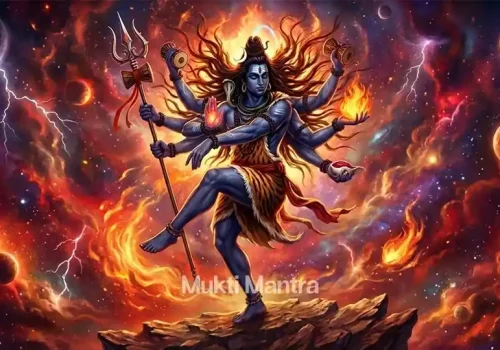
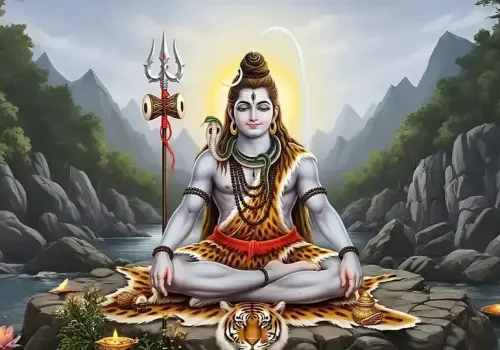
The verses begin by describing Mahadev’s appearance. The crescent moon sits on his forehead, giving him the name Chandrashekhar. From his matted hair flows the sacred river Ganga, earning him the title Gangadhar. He has the King of Snakes, Vasuki, wrapped around his neck, which makes him Nagdhari. His body is covered in holy ash (Bhasma), representing a detachment from the material world, and so he is called Bhasmadhari. He wears a tiger skin and holds the powerful Trishul, which is why he is revered as Trishuldhari.
Each of these ornaments carries significant spiritual meaning:
- Ganga represents Shiva’s ability to turn the chaotic flow of karma and knowledge into peace.
- The Moon stands for calm control over time, emotions, and thoughts.
- Snakes symbolise fearlessness and mastery over kundalini energy.
- The Tiger Skin signifies victory over primal instincts.
- The Trishul represents Shiva’s control over creation, preservation, and destruction, the three forces of existence.
These symbols remind devotees that Shiva’s form is not only divine in appearance but also shows the balance everyone must nurture within themselves.
Shiva: The Protector of Devotees and the Destroyer of Evil
The Shiv Chalisa praises Lord Shiva as the Jagat Guru, the universal teacher and protector of all beings, whether human or celestial. Whenever darkness arises, he destroys evil and restores balance. The hymn recounts his victories over powerful demons, including Tripurasura, Tarakasura, Jalandhara, and Andhakasura, among many others.
Each battle carries deep meaning:
- By defeating Tripurasura, Shiva became Tripurantaka, showing that pride and illusion must be overcome through divine wisdom.
- By slaying Tarakasura, he restored dharma and empowered his son Kartikeya to lead the heavenly army.
- In defeating Jalandhara, born from his own energy, Shiva taught the value of self-control over one’s power.
- When he conquered Andhakasura, who stands for blind desire, he symbolised the removal of ignorance within.
Thus, Shiva destroys not only external demons but also the inner demons of ego, anger, and greed, guiding his followers toward liberation.
The Compassion of Neelkanth: Saviour of Creation
Shri Shiv Chalisa also recalls Shiva’s act of compassion during the Samudra Manthan, also known as the Churning of the Ocean. When deadly poison Halahal emerged, threatening creation, Lord Shiva drank it without hesitation and held it in his throat, which turned blue. This earned him the name Neelkanth, or the “Blue-Throated One.”
This action shows his ability to absorb negativity and turn it into strength. It teaches devotees that true power lies in selflessness and the courage to endure suffering for the sake of others. He also brought the holy river Ganga to Earth, allowing humanity to receive her divine blessings and purification.
The Bringer of the Sacred Ganga
As the Chalisa states, when King Bhagiratha performed intense penance to bring the river Ganga to Earth, it was Shiva who fulfilled his vow. As the river descended with great force, he caught her in his matted locks to protect the Earth from devastation and thus came to be known as Gangadhar.
This act symbolises mastery over divine energy, showing that discipline and compassion must go hand in hand. Through Shiva, the healing wisdom of Ganga became available to humanity.
His immense compassion and selfless deeds have earned him respect not only from humans but also from gods and celestial beings, who bow to his greatness.
Worshipped by the Gods and Lord Rama Himself
Lord of Yogis: The Adiyogi and Eternal Teacher
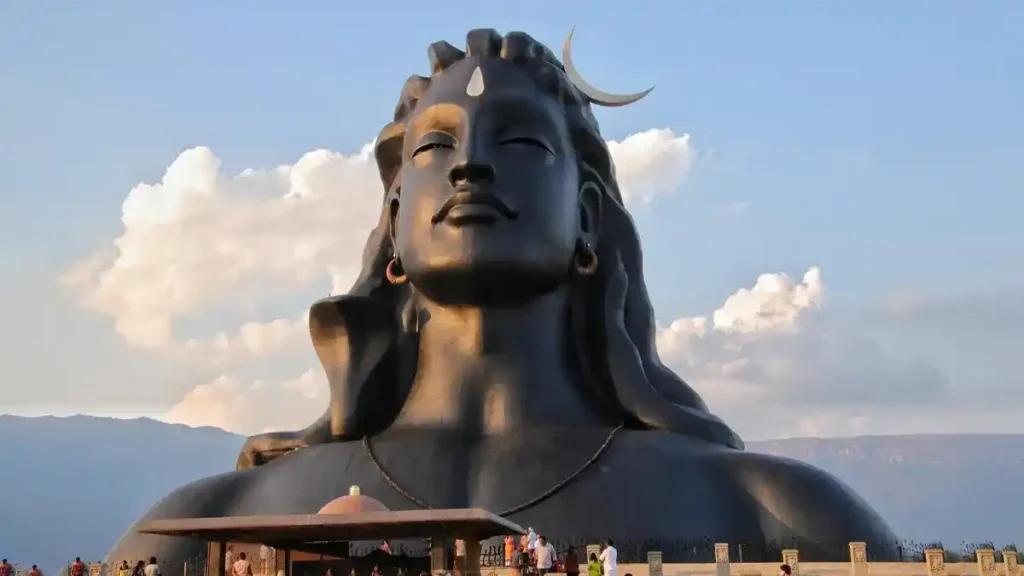
The Chalisa describes him as the Adiyogi, the first among yogis, also known as Yogeshwar. He is Detached from worldly desires and represents meditation, stillness, and deep awareness. His third eye shows the awakening of inner truth, burning away ignorance and illusion.
He is the eternal teacher, the source of all knowledge and wisdom. The Vedas are said to have come from him, and he gave them to Lord Brahma for the creation of the universe. In this form, he teaches that enlightenment is not found in escape but in balance. This balance is the perfect harmony between silence and power.
Liberation and Blessings for Devotees
In the later verses, the devotee expresses complete surrender to Lord Shiva, saying that even after having all the worldly relationships—be it mother, father, or brother—no one stands by them in times of true distress; it is only Shiva who remains the true protector and guide. With deep faith, the devotee calls upon him to remove all obstacles, free them from sorrow, and lead them safely through the challenges of life.
Shri Shiv Chalisa concludes with an assurance that those who chant it with pure devotion will be freed from fear, pain, and the burden of past sins. Those who recite it regularly are blessed with peace, prosperity, and unwavering protection and ultimately attain liberation in Shivlok, the eternal abode of Lord Shiva.
In Essence
The Lord Shiva Chalisa is not just a prayer; it is a journey through the life, power, and compassion of Mahadev. It celebrates him as the destroyer of ignorance, the protector of dharma, and the eternal liberator of souls. Each verse offers a path to understanding the depth of Lord Shiva’s nature, fierce yet kind and detached yet deeply loving.
Know more about Lord Shiva
Here are some common questions people often ask about Lord Shiva after reading the the Lord Shiva Chalisa:
Lord Shiva Chalisa can be read any odd number of times, such as 3, 5, or 11. However, what truly matters is devotion. Even reading it once a day with faith can bring peace, positivity, and a deeper connection with Lord Shiva. Regular recitation is said to invite his blessings and change daily life.
The name of Lord Shiva's snake is Vasuki, the respected king of the Nagas, or serpent beings. He played a crucial role in the Samudra Manthan, the great churning of the ocean. He is also seen as Shiva's loyal companion and a holy ornament.
Shiva wears a snake around his neck to show his control over danger, death, ego, and all negative forces like poison and desire. The snake also represents the strong Kundalini energy, indicating that Lord Shiva has mastered it. His connection with the serpent reflects both protection for all creatures and freedom from fear and the constraints of time.
Even before Vasuki decorated Lord Shiva’s neck, he was respected throughout the three worlds as the Nāgarāja, the King of Serpents. Born to Kadru and Sage Kashyapa, Vasuki was no ordinary serpent; he was strong, wise, and devoted to dharma. While many of his serpent kin were caught in pride and conflict, Vasuki chose the path of penance, service, and devotion to the divine. Impressed by his devotion and dedication, Lord Shiva accepted Vasuki and placed him around his neck. This made him a symbol of fearlessness, protection, and eternal energy.
The snake also represents the endless cycle of time (kaal), which includes creation, preservation, and destruction. By wearing it around his neck, Lord Shiva demonstrates that he is Mahakal, the one who governs and exists beyond time itself, remaining eternal and free from its limits.
Lord Shiva drank poison to protect the universe from Halahal poison that emerged during the Samudra Manthan, or churning of the cosmic ocean. Devas and Asuras came together to get Amrit, the nectar of immortality. However, before the nectar could be obtained, a deadly poison called Halahala emerged. Its fumes were so strong that they could destroy all of creation.
To protect the universe, Lord Shiva consumed the poison and kept it in his throat. This caused his throat to turn blue. From that point on, he was known as Neelakantha, which means the blue-throated one. This name symbolises his great sacrifice for the welfare of all beings.
This act shows the deepest level of Vairagya (detachment) and compassion. Shiva willingly takes on the world's negativity without looking for a reward. He teaches that real spiritual strength comes from self-sacrifice and from using one's power for Loka Kalyana, the welfare of all beings, instead of for personal gain.
Lord Shiva, known as Mahadeva, is called the Destroyer because he brings an end to both the physical universe and the inner darkness that binds every soul.
When he performs the Tandava, the cosmic dance of destruction, it signals the end of the universe. This is a necessary step before a new creation can begin. This destruction is not chaos; it is renewal on a cosmic scale.
Shiva’s power works in the same way within every being. He destroys the ego (Ahamkara), ignorance, and attachment, the inner poisons that keep us trapped in illusion. Through his power, he helps dissolve pride and separateness, guiding us toward self-realisation and Moksha (liberation).
Thus, Shiva’s destructive energy symbolises transformation; it ends the false so the truth may emerge, both in the universe and within the human soul.
The five faces of Lord Shiva are Sadyojāta, Vāmadeva, Aghora, Tatpurusha, and Īśāna.
In this Panchamukhi form, he is also known as Sadashiva; each of his faces represents a different role and meaning. They correspond to the five natural elements: Earth, Water, Fire, Air, and Space.
Together, the faces express Shiva’s abilities to create, protect, destroy, conceal the truth, and ultimately grant liberation (moksha).
Lord Shiva's wife is the Goddess Parvati, also known as the Adi-Shakti. After she immolated herself in a sacrificial fire as Sati, she was reborn as Goddess Parvati and married Shiva, completing the cosmic union.
Related Posts
Here are some common questions people often ask about Lord Shiva after reading Shiva Chalisa Hindi
- All Posts
- Aarti
- Bhajan
- Chalisa
- Stotram
- Stuti
- Back
- Shiva
- Hanuman
- Shri Radha
- Durga
- Lakshmi
- Back
- Ganesh Ji
- Maha Lakshmi
- Lord Vishnu
- Durga Maa
- Shiva
- Back
- Krishna Bhajan
- Back
- Shri Radha
- Back
- Shri Ram
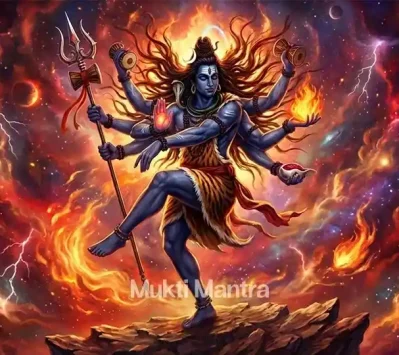
Shiv Tandav Stotram Lyrics with meaning: Jatāṭavī-gala-jjala-pravāha-pāvita-sthale Gale’valambya lambitāṃ | It is one of the most powerful and visually striking...
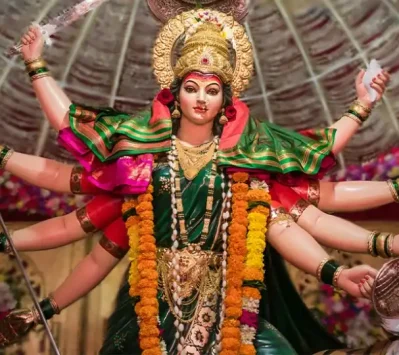
Ai Giri Nandini lyrics – aigiri nandini nandita medini viśva-vinodini nandanute girivara vindhya-śiroadhi-nivāsini viśhṇu-vilāsini jiśhṇunute | The Manhishasur Mardini Stotram...
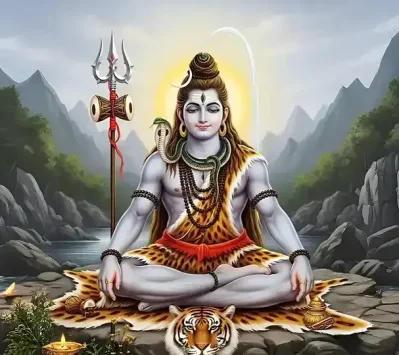
The Ashutosh Shashank Shekhar Lyrics is a Stuti dedicated to Lord Shiva, praising him through powerful names that reflect his...