Aarti
The word Aarti (आरती) comes from the Sanskrit word Aratrika, which refers to the ritual of removing darkness. It is a devotional song sung in praise of a deity while performing a sacred offering of light, usually with a lit lamp or diya. This practice symbolises the victory of light over darkness and good over evil. Singing or listening is believed to purify the mind, uplift the soul, and invite divine blessings, filling the atmosphere with peace and devotion.
To ensure the highest spiritual merit, we provide scripturally verified lyrics and meanings, reviewed for accuracy by Pandit Rajeev Sharma
- All Posts
- Aarti
- ashtakam
- Bhajan
- Chalisa
- Hanuman Chalisa
- Stotram
- Stuti
- Back
- Shiva
- Hanuman
- Shri Radha
- Durga
- Lakshmi
- Back
- Ganesh Ji
- Maha Lakshmi
- Lord Vishnu
- Durga Maa
- Shiva
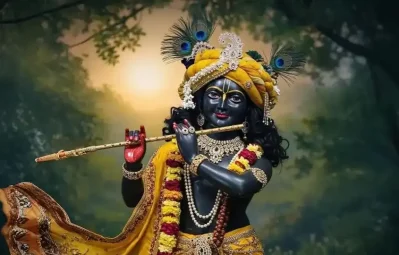
Lyrics of Aarti Kunj Bihari ki – Lord Krishna Aarti – आरती कुंजबिहारी की, श्री गिरिधर कृष्ण मुरारी की। यह...
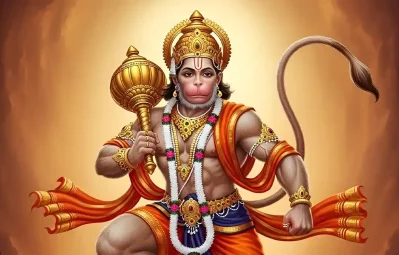
Aarti of Hanuman Ji – Aarti Kije Hanuman Lala ki: हनुमान जी की आरती एक अत्यंत पवित्र और श्रद्धा से...
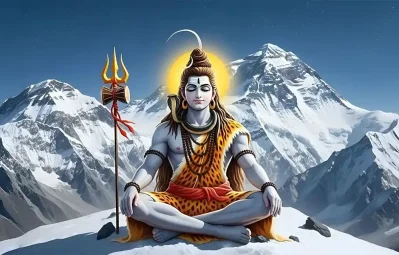
Aarti of Lord Shiva: Om Jai Shiv Omkara is a sacred hymn that praises Lord Shiva, the destroyer of evil...
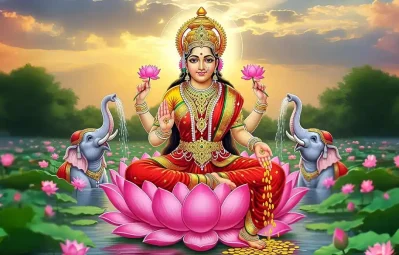
Lakshmi Ji Ki Aarti एक पवित्र स्तुति है जिसमें माँ लक्ष्मी की आराधना की जाती है। Om Jai Lakshmi Mata...
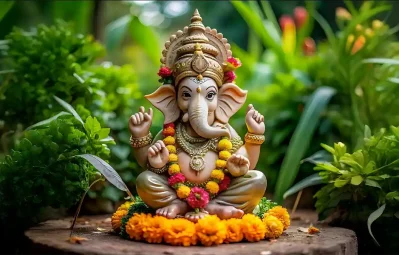
Ganesh Ji Ki Aarti- जय गणेश जय गणेश, जय गणेश देवा । माता जाकी पार्वती, पिता महादेवा ॥ हिंदू धर्म...
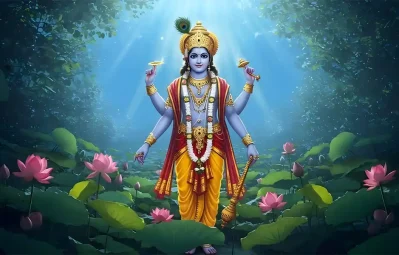
Vishnu ji ki Aarti: ओम जय जगदीश हरे, स्वामी! जय जगदीश हरे आरती। Aarti of Om Jai Jagdish Hare यह...
Why is Aarti performed?
Aarti is performed to express devotion, gratitude, and lovingly surrender to the divine. Through the simple act of offering light, the devotee places God at the centre of life and consciousness. By performing aarti, we symbolically ask the deity to remove darkness, ignorance, fear, and confusion from our inner world and replace them with clarity, purity, and spiritual knowledge.
It is also deeply connected to the offering of the five major elements and the three subtle elements back to the god. In the Bhagavad Gita, Chapter 7, Verse 4, Lord Krishna declares:
भूमिरापोऽनलो वायुः खं मनो बुद्धिरेव च ।
अहंकार इतीयं मे भिन्ना प्रकृतिरष्टधा ॥
Here, he explains that his material energy consists of eight elements, five major elements that form and sustain the entire creation, and three subtle elements. During arti, the devotee symbolically offers all of these back to their source.
Earth (bhoomi) is offered through flowers, incense, and agarbatti.
Water (aapah) is offered through ritual water offerings.
Fire (anala) is offered through the lit diya or lamp.
Air (vayu) is represented by the chamara or peacock fan.
Ether (akasha) is offered through the sound of bells, shankh, and devotional singing.
The subtle elements are offered through inner discipline:
Mind (manas) is offered by chanting mantras and remembering the Lord.
Intellect (buddhi) is offered through focused attention and understanding.
Ego (ahankara) dissolves when the devotee performs arti with the feeling of being a humble servant of God, not the doer.
Passing hands over flame and touching the eyes or head signifies receiving divine blessings.
Types of Aarti
The types of Aarti change based on the time of day. For example, there are Mangala, Rajbhog, Sandhya, and Shayan, as well as various purposes such as Kakad and Shringar. Temples perform these rituals at specific times to honor deities as they wake, eat, or sleep. There are also specific deity aartis, such as those for Ganesha, Krishna, and Shiva, along with variations in rituals. Each has its own meaning for different spiritual goals
Based on Time of Day
Temples follow a daily sequence of aartis that align human life with divine rhythm:
- Mangala Arti (≈ 6:00 am): The first arti of the day, performed at dawn to awaken the deity.
- Puja Arti (≈ 6:30 am): Offered after the deity’s bath and initial worship.
- Shringar Arti (≈ 7:30 am): Performed after the deity is dressed and adorned.
- Bhog Arti (≈ 10:30 am): Offered after the main food offering (bhog).
- Dhoop Arti (≈ 12:00 pm): Performed with incense and fragrance, symbolising purification of the surroundings and the devotee’s inner self.
- Sandhya Arti (≈ 7:15 pm)The evening arti, performed at dusk.
- Shayan Arti (≈ 8:30 pm): The final arti of the day, offered before the deity rests.
Note: The sequence and timing of artis may vary across temples and traditions. Not all temples perform every type of arti listed above.
According to Purpose or Deity
Some hymns honor specific deities or fulfill particular intentions:
- Kakad Arti: A morning arti, especially associated with Shirdi Sai Baba.
- Bhog Arti: Performed after offering food, reinforcing humility and gratitude.
- Deity-Specific Artis: Devotional Hymns dedicated to a particular deity, Ganesh, Krishna, or Shiva.
- Bhasam Arti: a one-of-a-kind arti where bhasam is offered to Mahakal and is performed only in Mahakaleshwar Temple, Ujjain.
- Panchaharti: Uses multiple lamps to represent the five elements—earth, water, fire, air, and ether, symbolically offering creation back to God.
- Ekaharti: A simple arti with a single lamp, emphasising focus and simplicity in devotion.
- Netraharti: Performed with special emphasis on sight, seeking clarity, protection, and divine grace.
Why Bhav Matters More Than Ritual
In Bhakti, intention matters more than outward form. Scriptures and saints emphasise that God responds to sincerity, not complexity. Performing arti mechanically loses its depth, while even a silent arti offered with love is complete.
When a devotee performs arti with humility, seeing themselves as a servant rather than the doer, the ego gradually dissolves.
Frequently Asked Questions