

Stotram
The word Stotram (स्तोत्रम्) or Stotra originates from the Sanskrit root ‘Stu’, which means to praise or glorify. Unlike bhajans, which are often emotional and melodic, Stotrams are specific Sanskrit hymns written with particular poetic meters (Chandas). In Sanatana Dharma, Stotrams are seen as a vibrational science. When recited with the right pronunciation, they create energy patterns that cleanse both the environment and the practitioner’s inner consciousness.
To ensure the highest spiritual merit, we provide scripturally verified lyrics and meanings, reviewed for accuracy by Pandit Rajeev Sharma
- All Posts
- Aarti
- Bhajan
- Chalisa
- Stotram
- Stuti
- Back
- Shiva
- Hanuman
- Shri Radha
- Durga
- Lakshmi
- Back
- Ganesh Ji
- Maha Lakshmi
- Lord Vishnu
- Durga Maa
- Shiva
- Back
- Krishna Bhajan
- Back
- Shri Radha
- Back
- Shri Ram
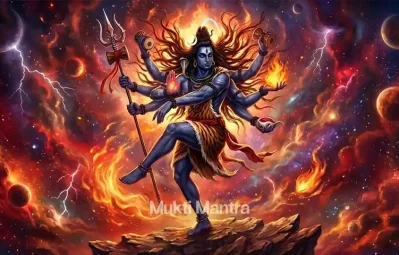
Shiv Tandav Stotram Lyrics with meaning: Jatāṭavī-gala-jjala-pravāha-pāvita-sthale Gale’valambya lambitāṃ | It is one of the most powerful and visually striking...
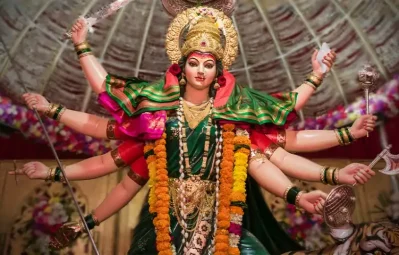
Ai Giri Nandini lyrics – aigiri nandini nandita medini viśva-vinodini nandanute girivara vindhya-śiroadhi-nivāsini viśhṇu-vilāsini jiśhṇunute | The Manhishasur Mardini Stotram...
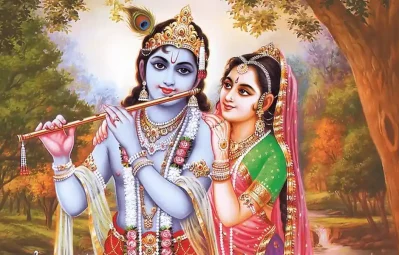
Radha Kripa Kataksh एक पवित्र स्तुति है जिसमें राधा रानी की करुणा और कृपा की याचना की जाती है। इस...
Understanding Stotrams
Stotrams are traditional devotional hymns within Hindu sacred literature, primarily originating from the Vedas, Upanishads, and Puranas. Their roots extend back thousands of years, making them far older than later devotional forms such as Aartis and Chalisas.
Unlike Aartis and Chalisas, which are often composed in more accessible or regional languages like Awadhi, Braj, or Hindi, stotrams are written in classical Sanskrit. This gives them a highly refined and complex structure, where meter, pronunciation, and phonetic accuracy are essential. A stotram is not merely read; it is meant to be precisely articulated, as even subtle changes in sound can alter its impact.
Phala-Śruti at the end of Strotram
Most stotrams explicitly mention the benefits of reciting that particular hymn toward the end. These verses describe the fruits of chanting, including spiritual elevation, peace of mind, the removal of obstacles, and divine grace.
For example:
Shiv Tandav Stotram speaks of prosperity and Shiva’s blessings in its concluding verse.
Panchakshara Stotram assures attainment of Shiva’s realm and eternal joy through devoted recitation.
The Science of Sound and Vibration
The power of a stotram lies not only in its literal meaning but also in the vibrational patterns created through correct recitation. Chanting a stotram affects the body and mind through sound, rhythm, and breath, all of which are known to influence human physiology. It comes from the deliberate structure of stotrams, where sound, rhythm, and repetition produce consistent vibrational patterns.
- Poetic Meters (Chhandas): Stotrams are composed in specific rhythmic meters such as Anuṣṭubh, Śikhariṇī, or Śārdūla-vikrīḍita that guide the pace, stress and flow of syllables, creating a rhythemic structure.
- Precision and Repetition: The deliberate use of alliteration (Anuprāsa), repeated syllables, and elongated vowels produces resonance within the vocal tract.
- Resonance and Energy Alignment: According to yogic and spiritual traditions, sound vibrations influence the subtle energy system (Prāṇa). When chanted correctly, these vibrations are believed to create coherence within the body and the surrounding space.
Because of this, chanting a stotram is seen not just as a prayer, but as a practise that aligns sound, breath, and awareness, helping to improve focus and mental stability, build emotional calm, and regulate breathing and heart rate.
Common Types of Stotram
- Stuti Stotrams – Focused on praise and glorification of the deity such as Shiv Tandav Stotram
- Kavacha Stotrams – Meant for protection and shielding energy such as Devi Kavacham
- Phala-Pradhāna Stotrams – Emphasising benefits and outcomes
- Nama Stotrams – Centred around chanting divine names such as Vishnu Sahasranama
- Veera or Ugra Stotrams – Invoking fierce, transformative aspects of the deity such as Mahishasura Mardini Stotram
Each type of Stotram serves a different spiritual need, yet ultimately aim at inner alignment.
How to Recite a Stotram Correctly
- Pronunciation (Shuddha Uccharana): Focus on pronouncing each word correctly; even a slight change can change the meaning
- Rhythm (Laya): Following the specific poetic meter (such as Anushtup Chanda) in which that particular hymn is written helps in reaching a meditative state.
- Visualisation: While chanting, one should visualise the form of the deity as described in the verses.
Frequently Asked Questions
No, While Mantras often require a Guru, Stotrams are open to all devotees who approach them with respect and devotion.
Traditionally, Vaikhari (audible chanting) is recommended for reciting Stotrams as it creates vibrations, although Silent or whispered (Upamshu) chanting is acceptable when loud, verbal chanting is not possible
Water is sprinkled after Aarti for purification. It helps cool the senses after the heat of the lamp. It also acknowledges water as a divine element (Varuna) and sanctifies the space and the devotees. This act signifies offering one's entire existence to the divine, with the water representing a blessing or charanamrit (holy water). Additionally, it symbolises the offering of prana (life force) and is part of the ritual cleansing (achamana) that prepares individuals for deeper spiritual engagement.
“stotram sampūrṇam” refers to the completion of a hymn, said at the end of the stotram, after its completion, and is always preceded by the name of the hymn and author. For example, "Iti Śiva Tāṇḍava Stotram Sampūrṇam" is spoken at the end of Shiv Tandav Stotram. It is often followed by Kshama Prarthana, which is asking for forgiveness for any accidental errors made during the recitation.